Age is the wrong question
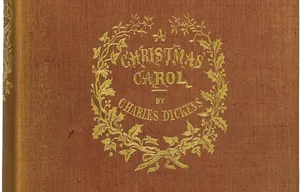
A Victorian family Bible is 150 years old and sells for £20. A paperback from 1997 sells for £1,500 if it is the first printing of Harry Potter and the Philosopher’s Stone. Nineteenth-century books were printed in enormous numbers and most were kept, so most are common. The questions that decide value are different.
Demand
Someone has to want the book. The strongest demand is for the first printings of books that became famous: modern literature, crime and thrillers, children’s classics, science fiction, travel and exploration, and early science and natural history. Fine bindings, private press books and illustrated books have their own collectors. Sermons, school prizes, encyclopaedias and reprints of classics have almost none.
Scarcity
First printings are scarce by definition. Beyond that, scarcity comes from small print runs, books that were read to pieces, wartime paper, and jackets that were thrown away. A first printing of The Hobbit ran to 1,500 copies in 1937. Most jackets went in the bin.
Condition
The trade grades in a few words, and each step is a large change in price.
| Grade | Meaning |
|---|---|
| Fine | As new. No faults. |
| Near fine | A small fault, noted. |
| Very good | Some wear, all complete, nothing serious. |
| Good | Worn and used. Complete. |
| Fair or poor | Damaged, marked, or incomplete. |
Faults to look for: a cracked or shaken binding, foxing (brown spots on the paper), damp staining, a faded spine, a previous owner’s name or bookplate, a remainder mark on the page edges, and missing plates or maps. A “good” copy is worth a fifth of a “fine” one for most collected books.
The dust jacket
For books published after about 1920, the jacket is most of the value. A first printing of The Great Gatsby sells for a few thousand pounds without its jacket and for a few hundred thousand with it. The same applies down the scale: a Fleming first without a jacket is a reading copy, and with a clean jacket it is a collector’s item. Jackets are graded separately, and a price-clipped jacket, where the corner with the price has been cut off, sells at a discount.
Signatures and associations
A signature adds value in proportion to the author’s fame and how rarely they signed. An inscription to a named person is worth more than a bare signature, and an inscription to someone connected with the book, an “association copy”, is worth most. Forged signatures exist for every famous author; buy signed books only from sellers who guarantee them.
What a shelf of inherited books is worth
The honest answer, for most shelves, is the value of the two or three books on it that meet the tests above. The rest sell in boxes at auction for pounds, or go to charity. Finding the two or three is the job, and the first edition guide is where to start. The price records show what the finds make.