The order of events
Value, then sort, then sell, then clear. A clearance firm is paid to empty a house quickly, and it sets its price against what it expects to sell from the load. Anything of value that goes on the van is sold by them, not by the estate. The probate guide explains why the record matters to the executor; this guide is about what to pull out first.
Room by room
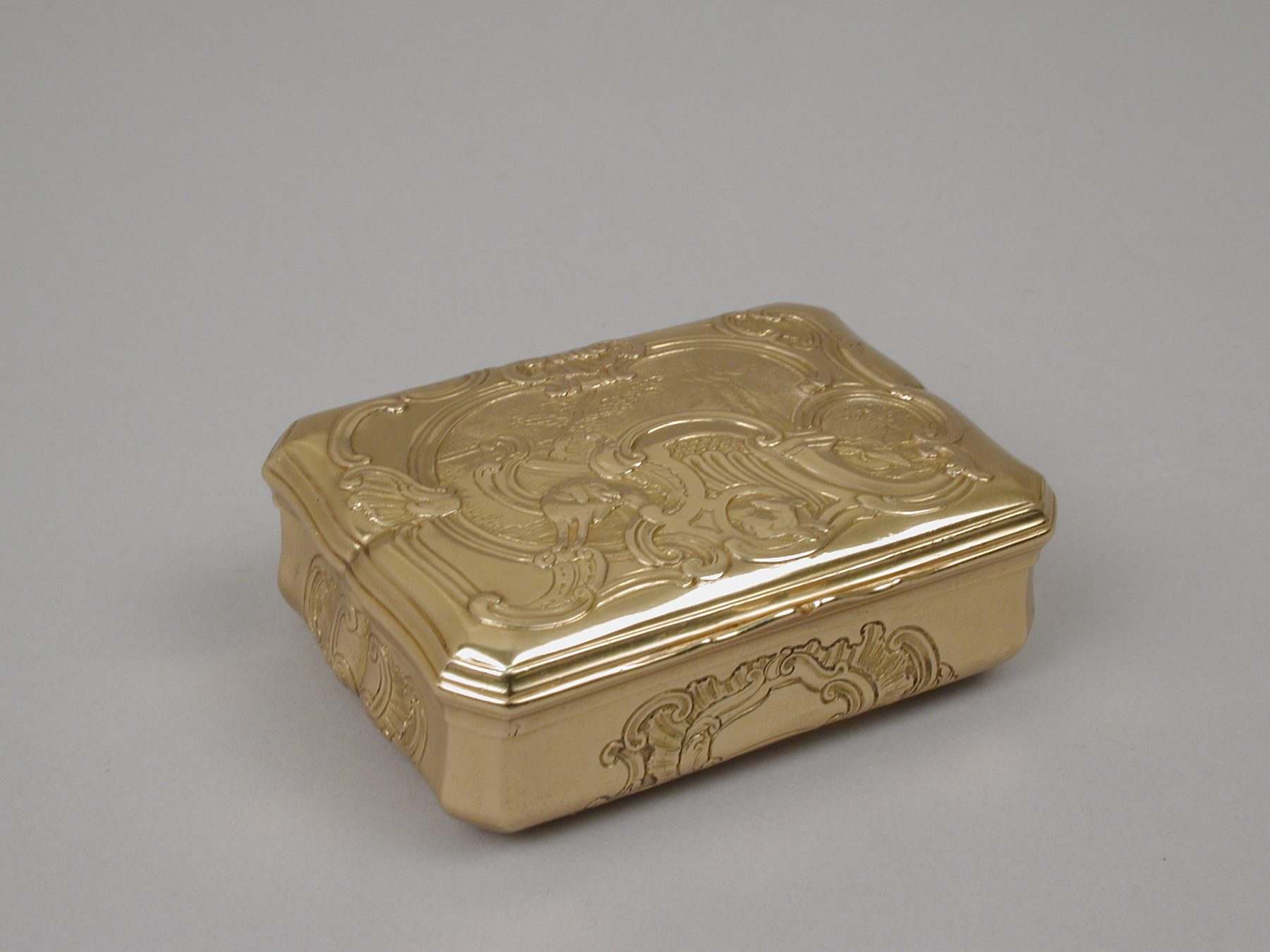
The sideboard and the kitchen drawers. Cutlery and serving pieces. Look for a lion passant, which means solid silver, and set aside anything with it. Plated canteens in their boxes sell for modest sums but sell. The six tests take a minute per piece.
The bureau and the bedside table. Jewellery, watches, medals, coins, stamps, fountain pens, cameras, and papers. A wristwatch by a known maker, a tin of pre-1947 silver coins or a set of Great War medals is worth more than the furniture it was kept in.
The bookcase. First printings, signed copies, books with dust jackets, illustrated books, and anything on travel, science or natural history. The first edition guide explains what to check. Photograph the shelves before boxing.
The walls. Pictures with a signature, an old label on the back, or a gallery stamp. Prints and watercolours in old frames are worth a photograph front and back. Do not throw away a frame with the picture.
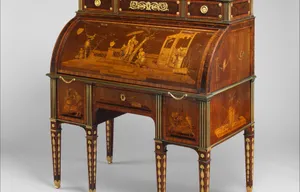
The living room. Furniture by a named maker, mid-century pieces by Ercol, G Plan or Scandinavian makers, and anything Georgian or Victorian in good condition. Ceramics by Moorcroft, Clarice Cliff, Poole, Troika and Whitefriars glass all have collectors. Turn pieces over and look at the marks.
The loft, the garage and the shed. Tools by known makers, old toys in boxes, vintage luggage, advertising signs, and the box of postcards and photographs. Militaria and uniforms belong with the medals.
What to do with the pile
Photograph everything set aside, with a close-up of the marks, and send the photographs to two auction houses. They give a free opinion on whether each item is worth consigning, and on what the rest of the house is worth as a job lot. This costs nothing, takes a week, and is the difference between a clearance fee and a cheque.
Dealing with the clearance firm
Get a written quote that states what they will remove and what they will pay or charge. Some firms offset the value of saleable furniture against the cost of removal; ask for the figure. Do not let anyone “take a look round” and make an offer for the lot before the valuation is done. Anything the auction house declined can go on the van with a clear conscience.
Timing
Nothing needs to leave the house until probate is granted, and executors are not obliged to accept the first offer for anything. Insurance on an empty house is the practical constraint. Most insurers require notice after 30 days empty, which is enough time to do this properly.